Designing a bathroom in Arizona isn’t just about style — it’s about building a space that can handle extreme heat, low humidity, hard water, and intense sunlight. With summer temperatures regularly exceeding 110°F in cities like Phoenix, homeowners must prioritize durability, water efficiency, and smart material choices. In 2026, desert-conscious design is about blending sustainability with modern luxury. Here’s your complete guide to creating a bathroom that thrives in Arizona’s unique climate.
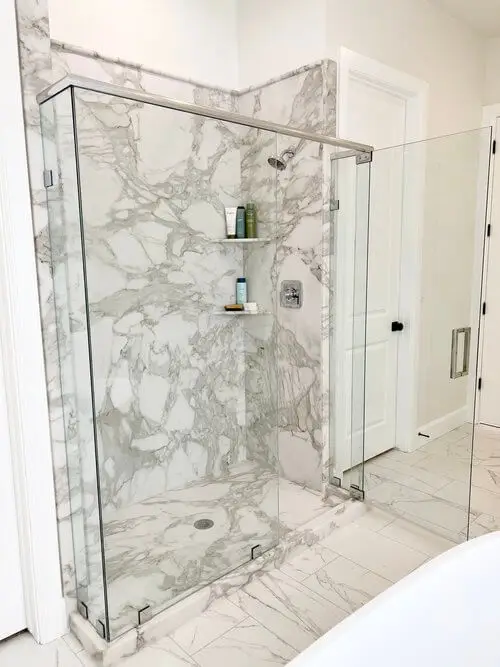
Arizona’s dry desert climate presents both advantages and challenges for bathroom design. While low humidity reduces the risk of mold compared to coastal states, extreme heat and hard water create other long-term concerns.
According to the National Weather Service, Phoenix averages over 110 days per year above 100°F. Constant heat exposure can cause certain materials to expand, fade, or deteriorate faster. Additionally, Arizona ranks among the top states for hard water concentration, which leads to mineral buildup on fixtures and shower glass.
Key impacts include:
Designing with these factors in mind ensures long-term performance and lower maintenance.
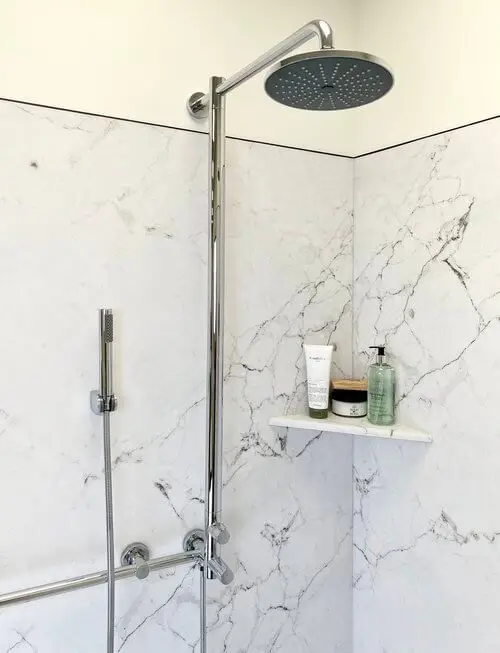
Material selection is critical in a desert environment. Bathrooms exposed to high ambient temperatures and strong sunlight need finishes that resist cracking, fading, and warping.
Porcelain tile is a top choice because it handles temperature changes well and resists moisture. Quartz countertops outperform natural marble in desert homes due to their non-porous surface and resistance to staining. Matte finishes are trending in 2026 because they reduce glare from intense Arizona sunlight.
Advantages of desert-friendly materials:
Investing in durable materials upfront can significantly reduce repair costs over time.
Water conservation is essential in Arizona. The state has faced ongoing drought conditions, and water-efficient fixtures are no longer optional — they’re necessary.
The EPA reports that WaterSense-labeled fixtures use at least 20% less water than standard models. Low-flow toilets use as little as 1.28 gallons per flush compared to older models that use up to 3.5 gallons. Installing low-flow showerheads can save thousands of gallons annually for a typical household.
Smart upgrades to consider:
Not only do these upgrades reduce water consumption, but they also lower monthly utility bills — a win for both homeowners and the environment.
Arizona’s hard water contains high levels of calcium and magnesium. Over time, this leads to limescale buildup that damages fixtures and dulls surfaces.
Studies show that hard water can reduce appliance efficiency by up to 30% due to mineral scaling. In bathrooms, this results in clogged showerheads, stained glass, and shortened fixture lifespan.
Solutions include:
Addressing hard water proactively protects your remodel investment and keeps your bathroom looking new longer.
Modern Arizona homes prioritize clean lines and functional design. freedomRail EDGE delivers a sleek, finished appearance that elevates the garage from a dusty storage area to a well-organized extension of the home.
Unlike bulky metal racks, its streamlined design reduces visual clutter while improving accessibility.
Because air conditioning is essential in Arizona, bathroom remodeling should include energy-conscious upgrades. Bathrooms with poor insulation or inefficient lighting contribute to higher cooling costs.
According to the U.S. Department of Energy, LED lighting uses at least 75% less energy than incandescent bulbs and lasts up to 25 times longer. Proper ventilation also prevents trapped heat and improves indoor comfort.
Energy-smart bathroom features:
These upgrades improve comfort while reducing electricity bills during peak summer months.
Arizona homeowners are embracing warm, earthy tones and natural textures that reflect the surrounding landscape. In 2026, bathroom designs blend desert minimalism with modern luxury.
Trending elements include:
Biophilic design is also popular, incorporating natural light and organic materials to create a calming, spa-like atmosphere without excessive water features.
Bathroom remodels remain one of the most valuable home improvements. According to national remodeling data, midrange bathroom remodels often recoup around 60–70% of their cost at resale.
In Arizona’s competitive housing market, updated bathrooms with energy-efficient and water-saving features appeal strongly to buyers. Homes that highlight sustainability and modern finishes often stand out.
Key value-boosting features:
A well-designed desert-ready bathroom isn’t just comfortable — it’s a strategic investment.
Designing a bathroom built for the Arizona desert requires more than aesthetic choices. It demands thoughtful planning around heat resistance, water conservation, hard water management, and energy efficiency. By selecting durable materials, incorporating sustainable features, and embracing modern desert design trends, homeowners can create a bathroom that performs beautifully in extreme conditions.
In 2026, the smartest bathroom remodels in Arizona balance luxury, resilience, and sustainability — ensuring your space stays stylish and functional for years to come.
Arizona’s extreme heat, low humidity, and hard water require specialized materials and water-efficient fixtures. Homes must be designed to handle high temperatures, mineral buildup, and strong sunlight exposure.
Porcelain tile, quartz countertops, moisture-resistant paint, and matte-finish fixtures perform best. These materials resist heat, staining, and hard water damage better than traditional options like marble or low-grade laminates.
Installing a whole-home water softener is the most effective solution. You can also use protective glass coatings, choose spot-resistant finishes, and clean fixtures regularly to prevent mineral buildup.
Yes. WaterSense-labeled fixtures use at least 20% less water and can significantly lower utility bills. With ongoing drought concerns, water-saving upgrades are both environmentally responsible and cost-effective.
On average, a midrange bathroom remodel can recoup around 60–70% of its cost at resale. Energy-efficient and water-saving features are especially attractive to Arizona buyers.